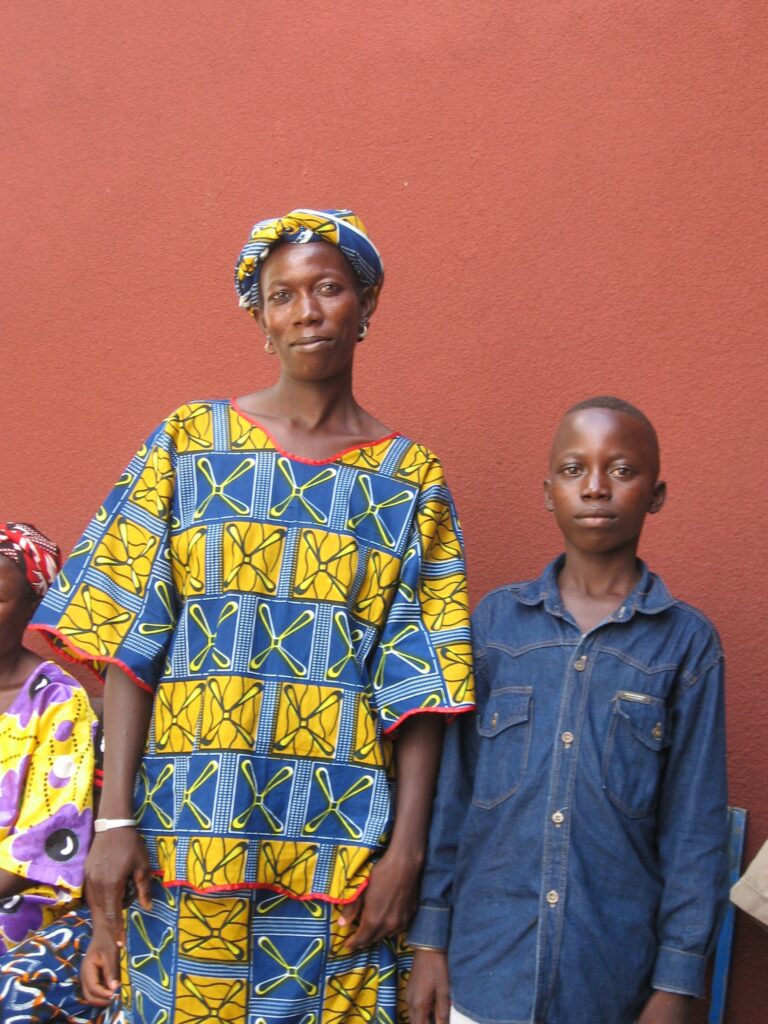
ACT in Burkina Faso
Overview
Our operations in Burkina Faso started in the capital, Ouagadougou in 2001. With so much need identified, the work rapidly expanded to 11 districts, across the country. By 2017, 425 children had benefitted from full scholarship and /or from our welfare projects. The attainment rates of our supported children is among the highest across the 8 countries where work, in 2017 boasting a 90% completion rate for secondary school with about 20 university students and graduates.
We launched the Sustainable Whole Life Skills Training Programme in 2007 with initial grants from a UK charitable trust alongside funds raised from individuals and fundraising events. The project helped fund the development of training materials and manuals which are in English and French and have been translated to local languages in communities around the 8 African countries where we work.
ACT Fact
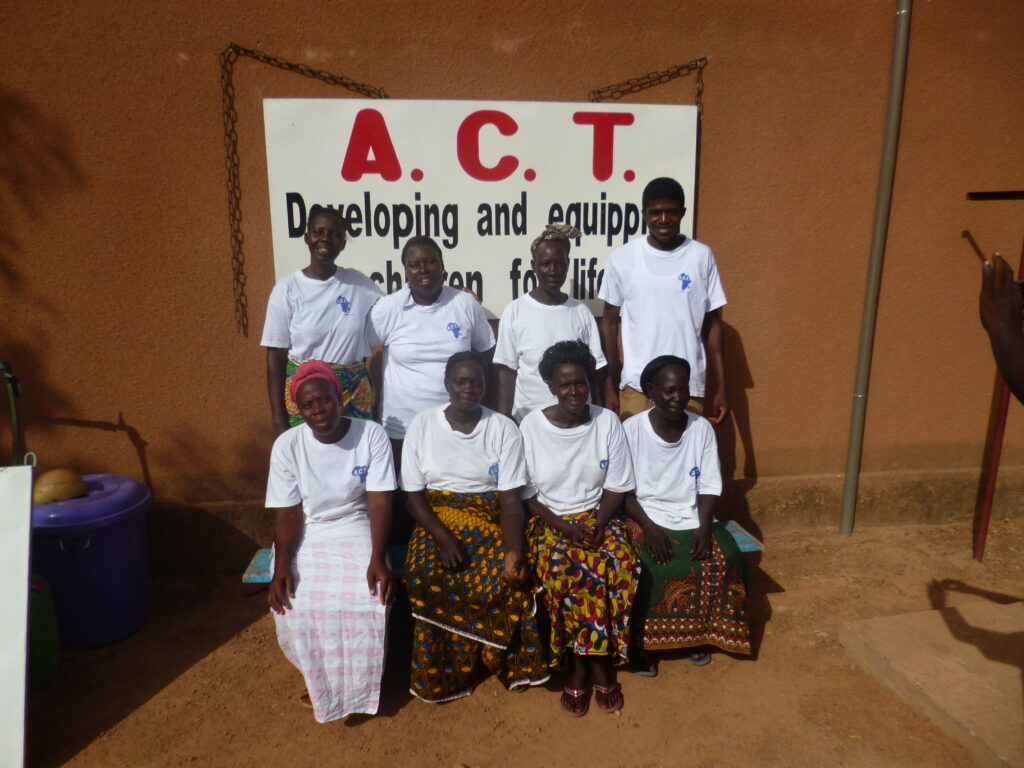
Since 2000 a total of 114 orphan children have been educated across the country. More than 90 percent have completed secondary school of which 12 attended university and 4 have graduated. Nearly 300 women have benefited from the ACT Widow’s project and received training in business skills so they can generate sustainable income. A significant number of the widows have set up their own enterprises successfully. Read the story of Collette.
In 2011 ACT formed partnership with Samaritan Purse (Operation Christmas Child). Since then, ACT children have each year received a present at Christmas as part of the Operation Christmas Child.
Sustainable Whole Life Skills
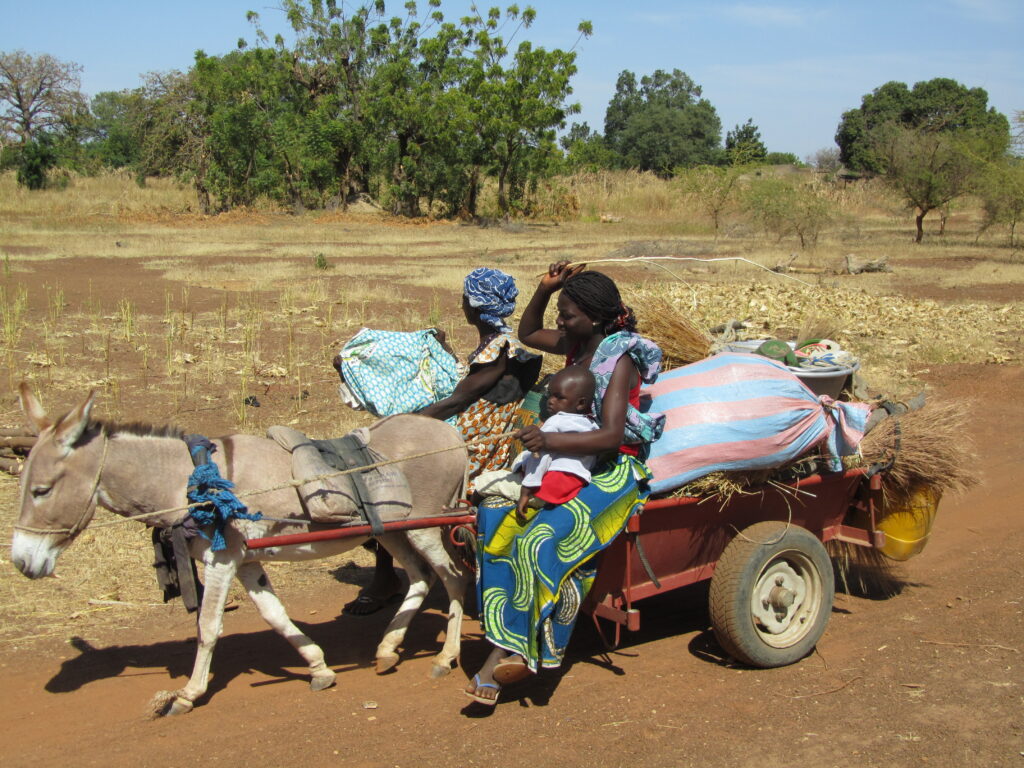
The ACT Sustainable whole life skills programme aims to empower widows so they are able to provide for and care for themselves and their children. The programme enables the women to discover within themselves their innate skills and talents. We then provide them with the opportunity through training to develop these skills and to use them profitably to generate sustainable income. Training is also provided in inheritance rights, and in Aids/HIV awareness and prevention.
ACT also provides small loans to all the widows who complete the course as seed corn funding to start their projects. The progress of each loan recipient is monitored, and support is provided to enable the success of the projects. Our aim is to assist the widows to move out of poverty and become productive members of their communities, able to feed and educate their children.
Different models of the sustainable whole life skills programme are employed in different countries.
In Burkina Faso, the programme is based on formal training, and the women determine what projects they wish to be engaged in and choose whether they wish to work alone or in cooperation with other women. There have been many success stories with this model. Many widows have started their own enterprises, and some are now employers of labour. A number of the widows no longer need ACT support as they have now become self-sufficient. Their support has been passed on to assist other widows in need.
In Tanga, Tanzania, the widows have come together and formed an association which they call the Dorcas Women Group (DWG) with a starting membership of fifty women. Members will benefit from training similar to those received by the women in Burkina Faso. With ACT support, the DWG has been registered with TABIC, a government agency to access business support, training, and funding. A similar model has been set up by the widows in Jinja, Uganda. Known as the Tabitha Women’s Vision Association (TWVA), the group intends to bring widows together into clusters where they can work together as a cooperative.